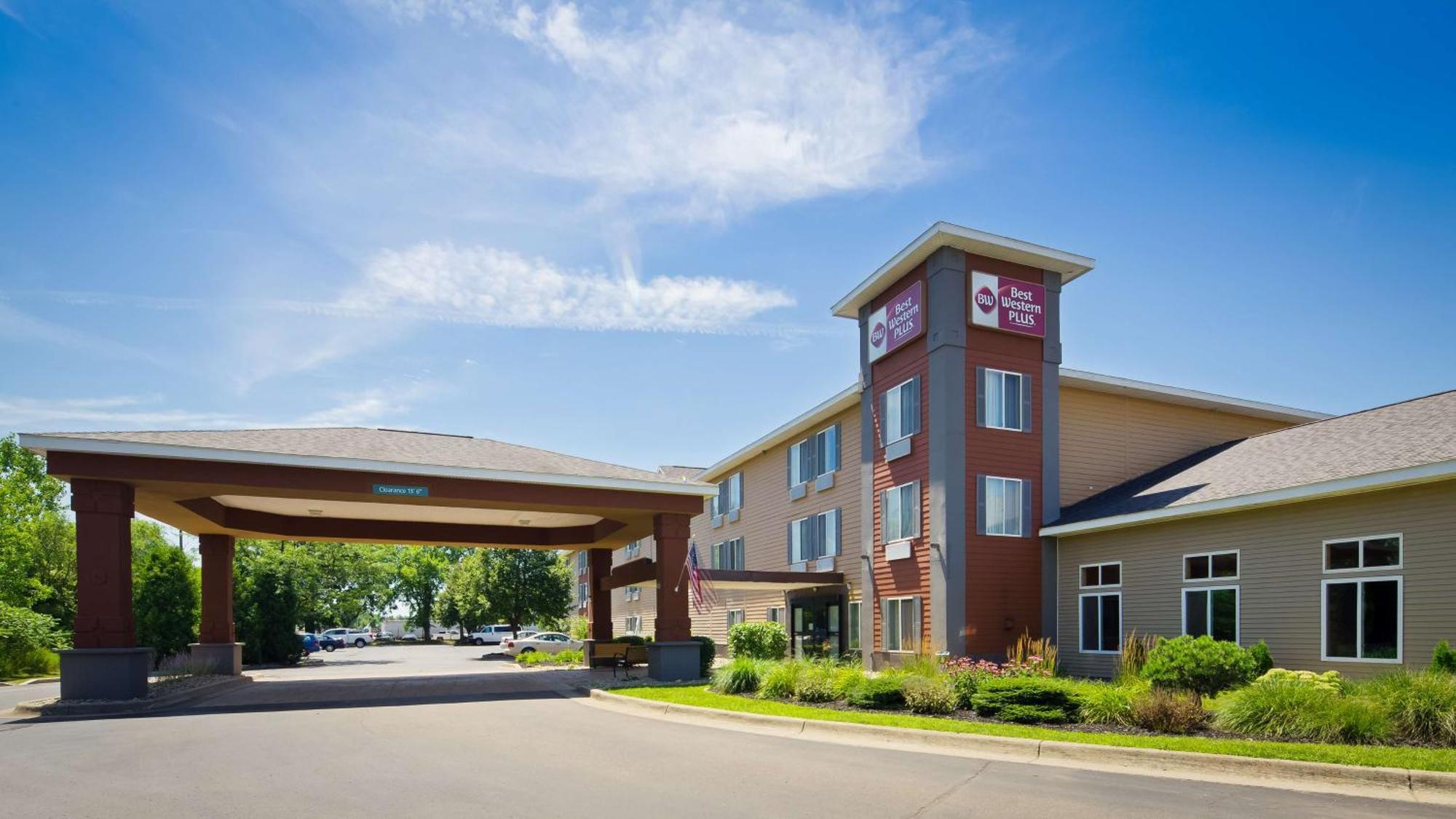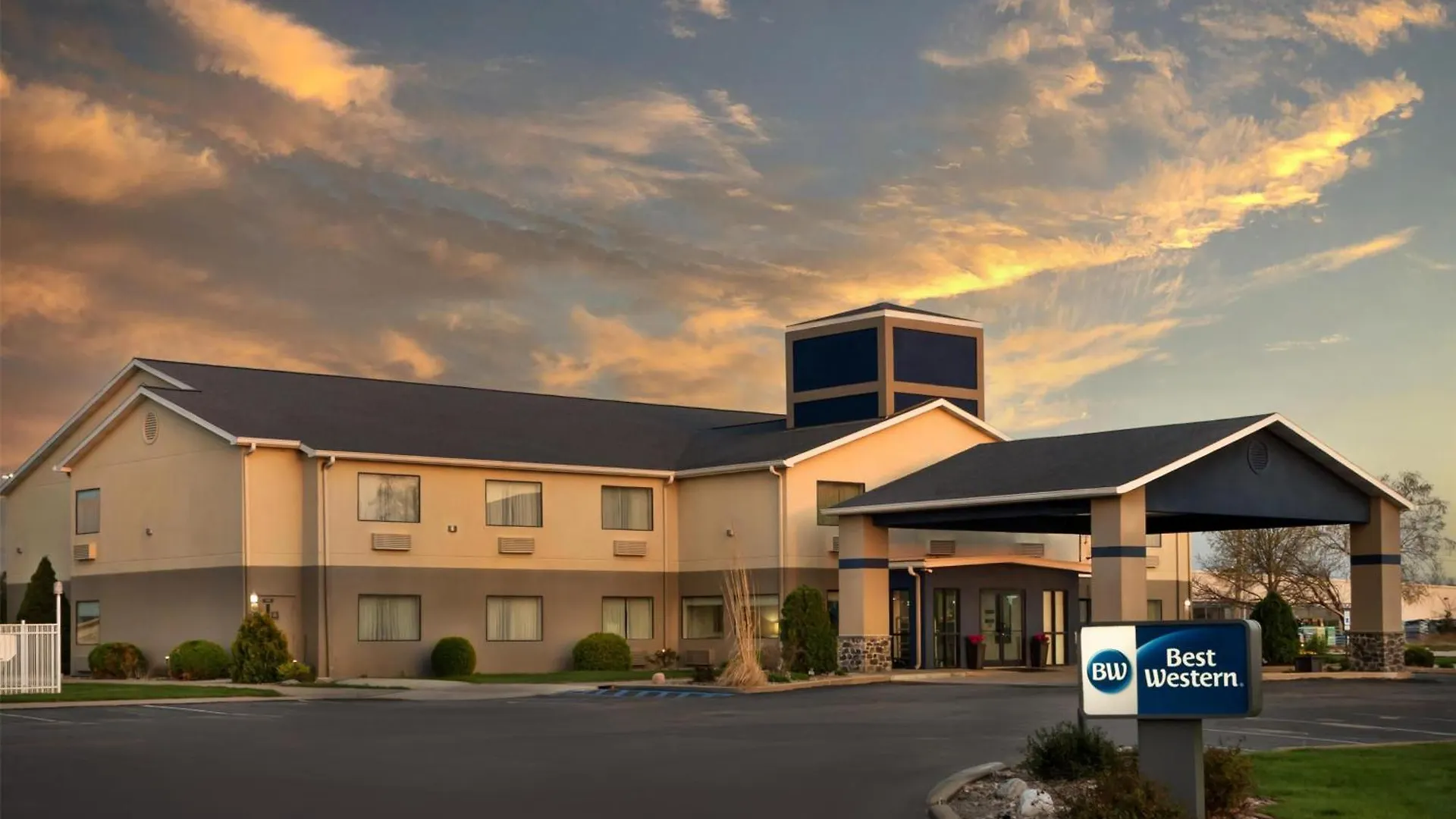
Best Western hotels across the Midwest offer a consistent, practical base for road trippers, families, and business travelers navigating one of the most geographically diverse regions in the United States. From lake towns in Michigan to university cities in Ohio and scenic Wisconsin corridors, these properties balance affordability with reliable amenities - including indoor pools, free breakfast, and free parking that chain hotels in coastal metros rarely include at this price point. This guide covers 15 Best Western locations across the Midwest to help you match the right property to your route, travel style, and priorities.
What It's Like Staying in the Midwest
The Midwest spans over 800,000 square miles of terrain - from the Great Lakes shoreline to the flat agricultural plains of Illinois and Missouri - making it one of the most car-dependent travel regions in the country. Unlike coastal urban hubs, most Midwestern destinations are spread out, meaning your hotel's parking situation and highway access matter far more than walkability scores. Driving is the primary mode of transport, and the majority of attractions, state parks, and city centers are reached via interstate or state routes rather than public transit. Crowds peak sharply in summer around lake destinations and state fairs, while university towns like Oxford, Ohio and DeWitt, Michigan see demand spikes around academic calendars. Travelers who benefit most from staying in the Midwest are those on multi-state road trips, families seeking outdoor recreation, and budget-conscious visitors who want space and amenities without urban pricing. Travelers expecting walkable urban neighborhoods or extensive public transit will find the Midwest less accommodating than cities like Chicago or Minneapolis.
Pros:
- Free parking is nearly universal at Midwest hotels, eliminating a daily cost that can reach around $50 per night in coastal cities
- State parks, lakes, and natural attractions are highly accessible by car, often within 15 minutes of mid-sized towns
- Hotel rates are significantly lower than comparable properties on the coasts, especially outside peak summer months
Cons:
- Public transportation between cities and attractions is minimal, making a rental car effectively non-negotiable for most itineraries
- Smaller Midwestern towns offer limited dining and entertainment options after 9 PM, particularly on weekdays
- Weather extremes - harsh winters, spring flooding, and summer humidity - can significantly affect travel plans depending on the season
Why Choose Best Western Hotels in the Midwest
Best Western properties in the Midwest are particularly well-suited to this region because they consistently include amenities that align with how people actually travel here: free parking, complimentary breakfast, and indoor pools that extend usability into the colder months. Indoor pools appear in around 10 of the 15 properties in this guide - a meaningful differentiator in a region where outdoor amenities are limited from October through April. Compared to independent motels at similar price points, Best Western locations in the Midwest typically offer more predictable room standards, business centers for remote workers, and disability-accessible facilities that smaller properties often lack. Room sizes at these properties tend to be more generous than urban hotels, with most units including a mini-fridge, desk, and coffee maker as standard - useful for multi-night stays on extended road trips. The trade-off is that these hotels are rarely in walkable town centers; most are positioned near highway exits or business corridors, which prioritizes access over atmosphere.
Pros:
- Free breakfast is included at nearly every property in this guide, providing meaningful daily savings for families and multi-night stays
- Indoor pools and fitness centers make these hotels functional year-round, not just in summer
- Free WiFi and business centers support remote workers and travelers on extended stays without additional cost
Cons:
- Most properties are positioned near highways or commercial strips rather than in historic town centers or scenic areas
- On-site dining options are limited at the majority of locations, with breakfast being the only meal service at most properties
- The standardized brand format means limited local character or design differentiation between properties
Practical Booking & Area Strategy for the Midwest
Positioning matters significantly when booking Best Western hotels across the Midwest, as the region's key attractions are rarely concentrated in a single hub. For travelers exploring Michigan's resort towns - Harbor Springs, Saugatuck - book at least 6 weeks in advance for summer stays, as lake tourism compresses availability dramatically between June and August. Wisconsin Dells-area properties like Baraboo fill up around the same window, while university-adjacent hotels in Oxford (Ohio) and DeWitt (Michigan) spike during move-in weekends and homecoming events in September and October. Highway-adjacent properties near I-90 and I-94 corridors in Wisconsin and Illinois offer the most flexible base for multi-destination road trips, with easy access to multiple state parks and mid-size cities within a single day's drive. For travelers targeting Illinois attractions, the Geneseo property sits within 33 kilometers of Quad City International Airport and provides access to Bishop Hill Historic Site and the TaxSlayer Center. In Kentucky, Hopkinsville and Monticello properties serve as practical bases for Land Between the Lakes recreation and Lake Cumberland respectively - two destinations that require a car regardless of where you stay. Book shoulder season (April-May or September-October) for the best rate-to-amenity ratio across most Midwest Best Western locations, with rates typically running noticeably lower than peak summer pricing without sacrificing access to most attractions.
Best Value Stays
These properties offer strong facility packages - including pools, free breakfast, and free parking - at accessible price points, making them well-suited for families, road trippers, and budget-conscious travelers covering ground across the Midwest.
-
1. Best Western Brookfield
Show on map


Hurry – almost gone at this price!
fromUS$ 128
-
2. Best Western Hopkinsville Ky - Brand New Rooms
Show on map


Rooms filling fast – secure the best rate!
fromUS$ 93
-
3. Best Western Saluki Inn
Show on map


Best price guarantee
fromUS$ 79
-
4. Best Western State Fair Inn
Show on map


Best price guarantee
fromUS$ 90
-
5. Best Western Lake Cumberland Inn
Show on map


Hurry – almost gone at this price!
fromUS$ 101
-
6. Best Western Geneseo Inn
Show on map


Rooms filling fast – secure the best rate!
fromUS$ 131
-
7. Best Western Baraboo Inn
Show on map


Just a few rooms left at the best rate!
fromUS$ 69
Best Premium Stays
These Best Western properties offer expanded amenity sets - including spas, conference facilities, restaurants, or superior location positioning near key Midwest attractions - and are best suited for travelers prioritizing comfort, extended stays, or proximity to specific regional landmarks.
-
8. Best Western Sycamore Inn
Show on map


Rooms filling fast – secure the best rate!
fromUS$ 118
-
9. Best Western Of Harbor Springs
Show on map


Best price guarantee
fromUS$ 76
-
10. Best Western Plaza Hotel Saugatuck
Show on map


Hurry – almost gone at this price!
fromUS$ 99
-
11. Best Western Germantown Inn
Show on map


Just a few rooms left at the best rate!
fromUS$ 120
-
12. Best Western Waukesha Grand
Show on map


Best price guarantee
fromUS$ 67
-
13. Best Western Riverfront Inn
Show on map


Just a few rooms left at the best rate!
fromUS$ 92
-
14. Best Western Dewitt
Show on map


Just a few rooms left at the best rate!
fromUS$ 90
-
15. Best Western Plus Wooster Hotel & Conference Center
Show on map


Best price guarantee
fromUS$ 108
Smart Travel & Timing Advice for Midwest Best Western Hotels
Timing your booking correctly across Midwest Best Western locations can produce significantly different outcomes in both price and availability. Summer (June through August) is peak season for lake-adjacent properties in Michigan - Harbor Springs, Saugatuck - and for Wisconsin Dells-area hotels like Baraboo, where demand from families compresses availability weeks in advance. The Missouri State Fair in Sedalia runs for around 11 days each August, during which the State Fair Inn fills exceptionally early and rates reflect maximum seasonal demand. For university-adjacent properties - Oxford, Ohio; DeWitt, Michigan; Carbondale, Illinois - September and late April represent the highest-demand windows tied to academic events and graduation weekends. The best price-to-experience ratio across most of these properties falls in May or October, when weather is still favorable for outdoor activities, state parks are open, and hotel rates drop noticeably compared to summer peaks. For road trippers covering multiple states, booking 3 to 4 weeks ahead is sufficient outside peak windows; for Michigan lake towns and Wisconsin Dells, 6 weeks minimum is advisable for summer stays. Most properties in this guide do not require minimum-night stays outside of special event periods, giving travelers flexibility to adjust itineraries.