Lowell Observatory sits on Mars Hill at an elevation of around 2,210 meters, just west of downtown Flagstaff - a position that places it within reach of the city's most walkable and transit-friendly core. Staying at a centrally located hotel in Flagstaff means you're not just close to the observatory; you're also positioned near Historic Route 66, the Flagstaff Amtrak station, and the trailheads that feed into the surrounding Coconino National Forest. This guide covers four centrally located hotels in Flagstaff that offer practical access to Lowell Observatory, with honest assessments of distance, room quality, and what each property actually delivers for the price.
What It's Like Staying Near Lowell Observatory
The area immediately surrounding Lowell Observatory is residential and elevated, perched on Mars Hill with limited commercial infrastructure - meaning most hotels that serve visitors to the observatory are actually situated in downtown Flagstaff or along key arterial streets rather than at the foot of the hill itself. The walk from downtown Flagstaff to the observatory entrance takes around 25 minutes on foot via West Santa Fe Avenue and West Aspen Avenue, with a noticeable uphill gradient in the final stretch. The downtown core offers a genuine small-city rhythm: light rail is absent, but the Mountain Line bus system connects key zones, and most central hotels sit within a short drive or rideshare of the observatory's front gate on West Mars Hill Road.
Flagstaff's downtown area - where most central hotels cluster - stays active through evening but quiets significantly after 10pm, making it a solid base for stargazing nights at Lowell without the noise disruption common in larger cities. The area draws a mix of university visitors (Northern Arizona University is nearby), national park travelers using Flagstaff as a Grand Canyon staging point, and astronomy enthusiasts attending telescope viewings at the observatory.
Pros:
- Central hotels place you within a short drive of Lowell Observatory while keeping you connected to Flagstaff's dining and transit infrastructure
- Downtown Flagstaff's low light pollution compared to other US cities of similar size makes the stargazing experience from nearby areas genuinely rewarding
- Free parking is standard at most central Flagstaff hotels, eliminating the logistical friction of driving up to Mars Hill for evening programs
Cons:
- No hotel sits at walking distance from the observatory entrance without a meaningful uphill climb, so a car or rideshare is practical for evening visits
- Flagstaff's high altitude (around 2,100 meters) can affect guests unaccustomed to elevation, particularly relevant after a full day of activity
- The area around Mars Hill itself has no hotels, shops, or restaurants, so all amenities depend on returning to the downtown core
Why Choose a Central Hotel Near Lowell Observatory
Central hotels in Flagstaff offer a practical trade-off that suits most Lowell Observatory visitors: they sit close enough to Mars Hill for a quick drive up for evening telescope viewings, while keeping guests in the heart of a walkable downtown with access to restaurants, coffee shops, and transport connections. Unlike hotels on the I-40 corridor, central Flagstaff properties typically sit within 5 kilometers of the observatory, which translates to under 10 minutes by car - a meaningful difference when you're trying to arrive before a scheduled public program begins. Room sizes at central Flagstaff hotels vary considerably, with some boutique-style properties offering compact rooms focused on character, while larger chain properties deliver standardized layouts with more predictable square footage.
Price positioning in this category tends to reflect proximity to the university and the historic downtown rather than observatory access specifically - expect rates to spike during NAU events, summer tourism season, and the Flagstaff Festival of Science in late September. The central zone also benefits from being within a short distance of the Flagstaff Visitor Center and the Flagstaff Arts District, giving non-astronomy travelers in the group something to do while others attend evening programs at Lowell.
Pros:
- Central positioning in Flagstaff puts Lowell Observatory, Northern Arizona University, and Historic Route 66 all within a single short drive
- Most central hotels in Flagstaff include free parking, which matters given the absence of public transit directly to Mars Hill
- The category spans a genuine range from boutique inn-style properties to full-service hotels with pools and fitness centers, giving travelers real choice
Cons:
- Demand from university visitors and Grand Canyon-bound travelers means availability at well-located central hotels can tighten quickly during peak months
- Some centrally located properties in Flagstaff are closer to Route 66 noise corridors, which affects rooms facing the street
- Higher-floor or premium room categories at central hotels may carry a rate premium that isn't always justified by the modest view differences in this low-rise city
Practical Booking & Area Strategy
For the closest practical access to Lowell Observatory, properties along or near West Santa Fe Avenue and South Beaver Street offer the most direct routing to Mars Hill Road - the observatory's access road - without requiring highway entry. The core of downtown Flagstaff, centered around Heritage Square and Leroux Street, sits within easy rideshare range of the observatory (typically under 10 minutes), and this zone concentrates the highest density of dining options useful for a pre-program dinner. Flagstaff's Amtrak station on East Route 66 is walkable from most central hotels, providing a car-free arrival option from the west or east.
Beyond Lowell Observatory, the central Flagstaff position gives access to the Arizona Trail trailheads, the Museum of Northern Arizona (around 5 kilometers north on Fort Valley Road), and the Flagstaff Urban Trail System, which offers paved cycling and walking routes connecting several key districts. Book at least 6 weeks ahead for summer stays and during the Flagstaff Festival of Science (late September), when central hotels fill rapidly and rates climb. For visitors primarily focused on Lowell's evening Telescope Viewing programs, a hotel with free parking is strongly preferable over one that charges nightly - it removes friction from the frequent in-and-out driving that observatory visits require.
Best Value Stays
These properties offer strong practical positioning relative to Lowell Observatory with rates that reflect Flagstaff's mid-market central zone rather than premium pricing, making them well-suited for travelers prioritizing access over luxury finishes.
-
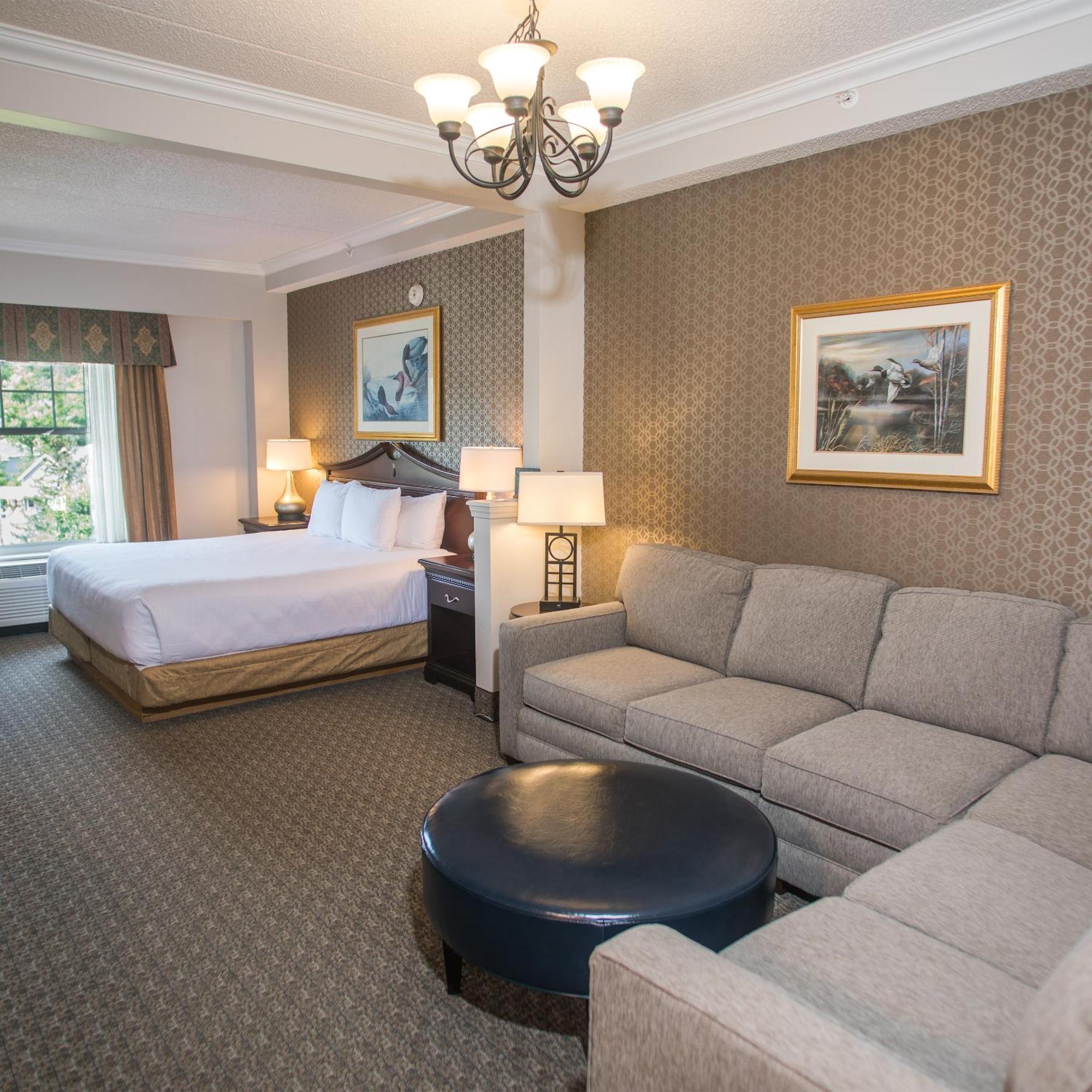
1. Country Inn & Suites By Radisson, Flagstaff Downtown, Az
Show on map


 Check-infrom 15:00 until 23:59Check-outuntil 11:00
Just a few rooms left at the best rate!
fromUS$ 109
-
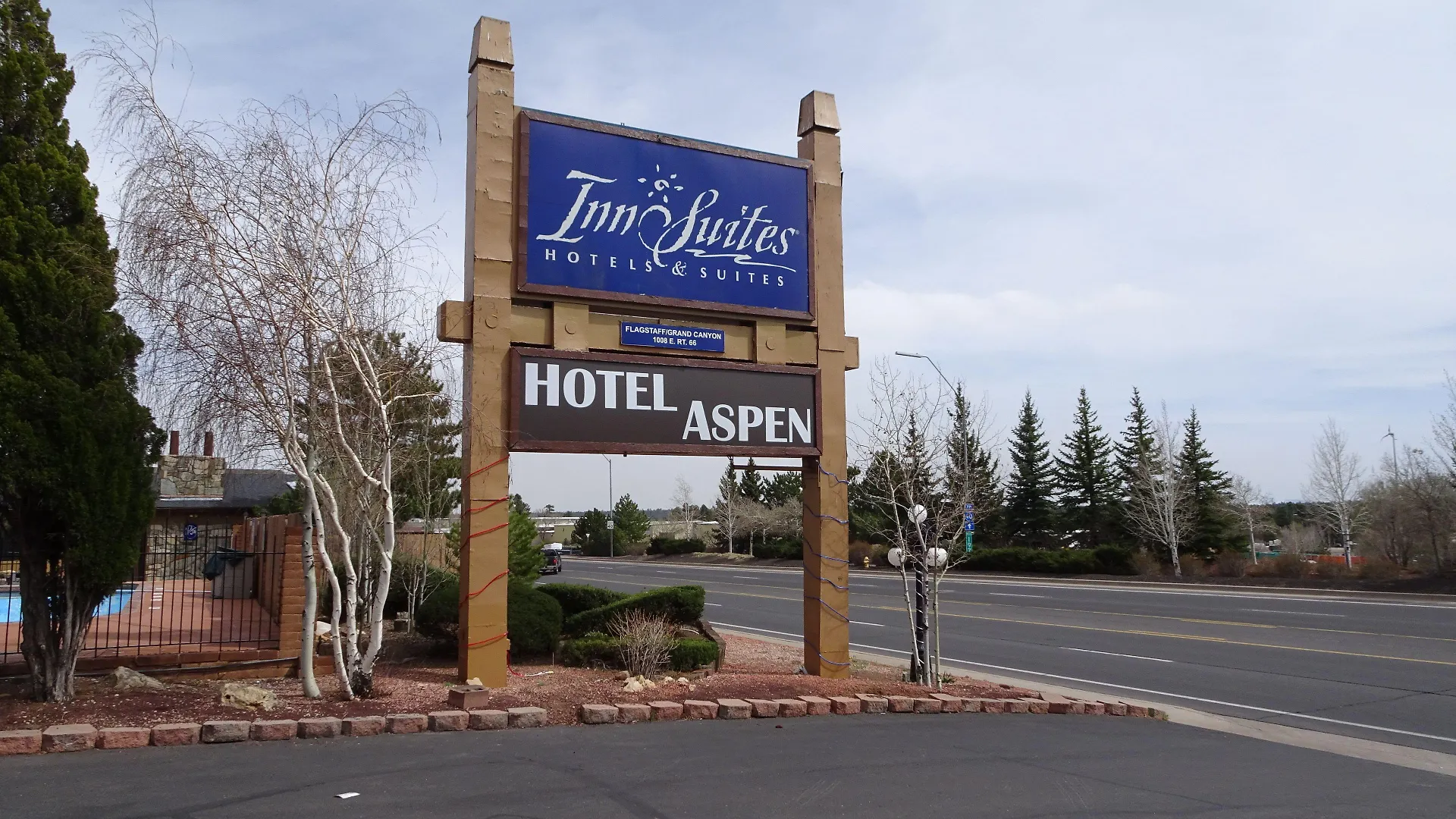
2. Hotel Aspen Flagstaff/ Grand Canyon Innsuites
Show on map


 Check-infrom 16:00 until 23:59Check-outuntil 11:00
Just a few rooms left at the best rate!
fromUS$ 54
Best Premium Stays
These properties deliver more distinctive room experiences - from boutique inn character to five-star classification - and suit travelers who want the observatory visit to anchor a higher-quality Flagstaff stay rather than just a functional overnight.
-
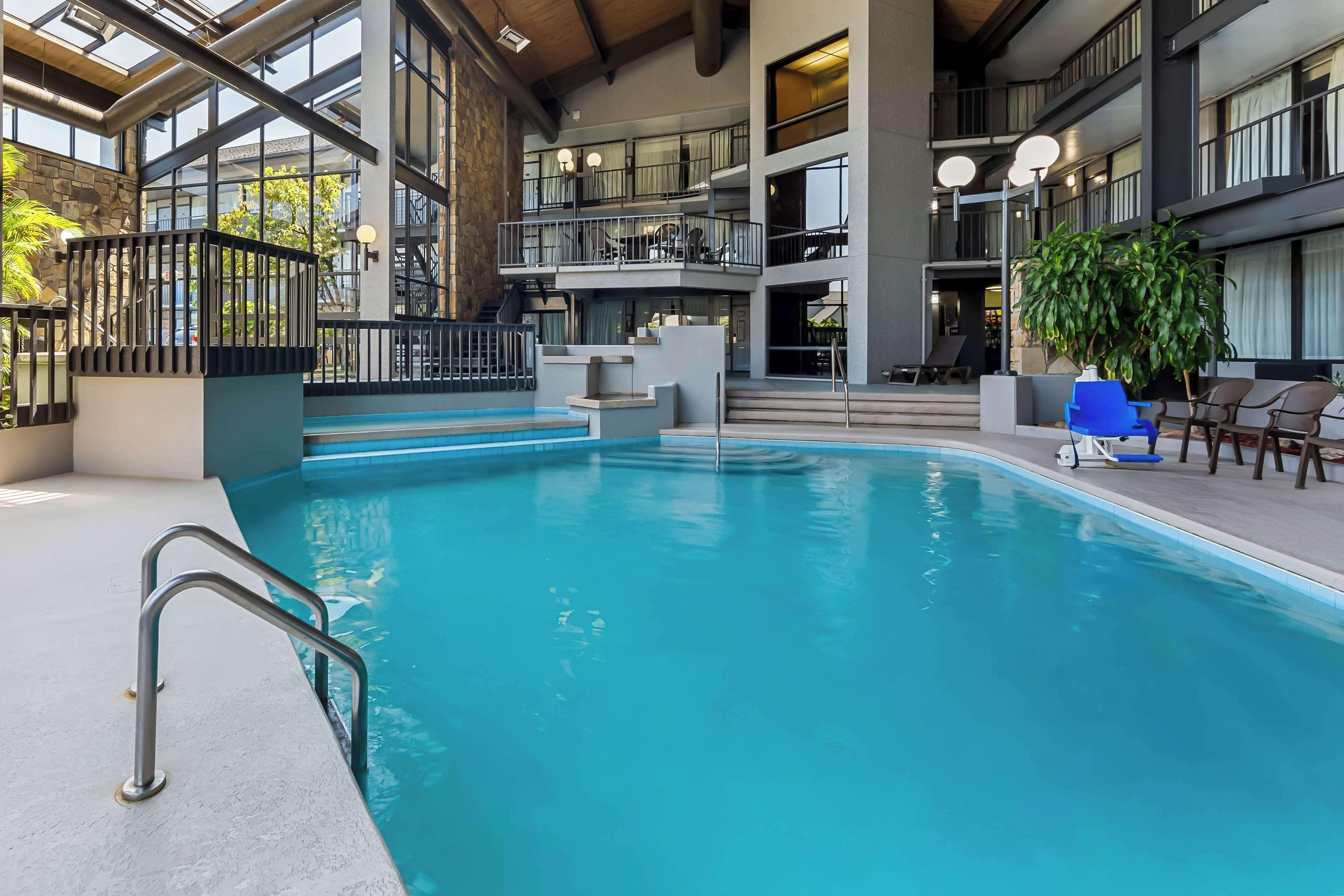
3. Castle Rock
Show on map


 Check-infrom 16:00 until 22:30Check-outfrom 10:00 until 11:00
Hurry – almost gone at this price!
fromUS$ 139
-
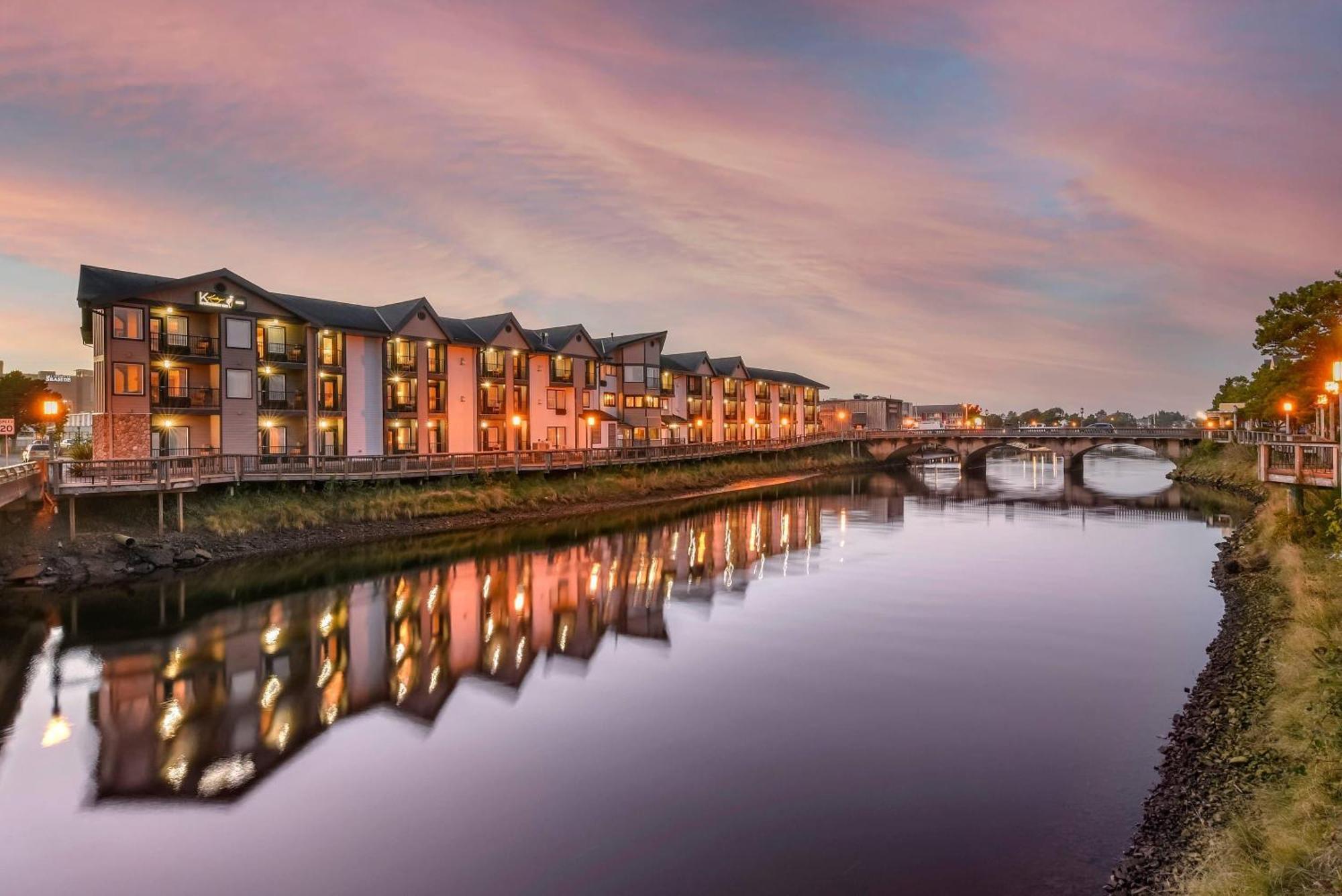
4. Bespoke Inn Flagstaff
Show on map


 Check-infrom 15:00 until 23:30Check-outfrom 05:00 until 11:00
Rooms filling fast – secure the best rate!
fromUS$ 350
Smart Travel & Timing Advice for Lowell Observatory Visits
Flagstaff's peak tourism window runs from late May through August, when Grand Canyon visitor traffic spills into the city and Lowell Observatory's public programs book out days in advance. July and August see the highest hotel rates in the central zone, with central properties often reaching capacity on weekends - booking around 6 weeks ahead during this window is a reliable baseline. The Flagstaff Festival of Science in late September creates a secondary demand spike that catches some visitors off guard; if your visit aligns with that period, treat it like peak summer for booking purposes.
The shoulder seasons - April through May and September through October - offer a notably better combination of clear skies (important for Lowell's evening telescope programs), cooler but manageable temperatures, and more available inventory at central hotels. Winter stays from November through February come with the lowest rates and the fewest crowds, but Lowell Observatory's outdoor telescope viewing programs are weather-dependent and can be cancelled on short notice during snow events. A two-night minimum makes practical sense if you're combining a Lowell Observatory visit with a Grand Canyon day trip, as the South Rim is around 80 kilometers north and comfortably done as a full-day excursion from a Flagstaff base.