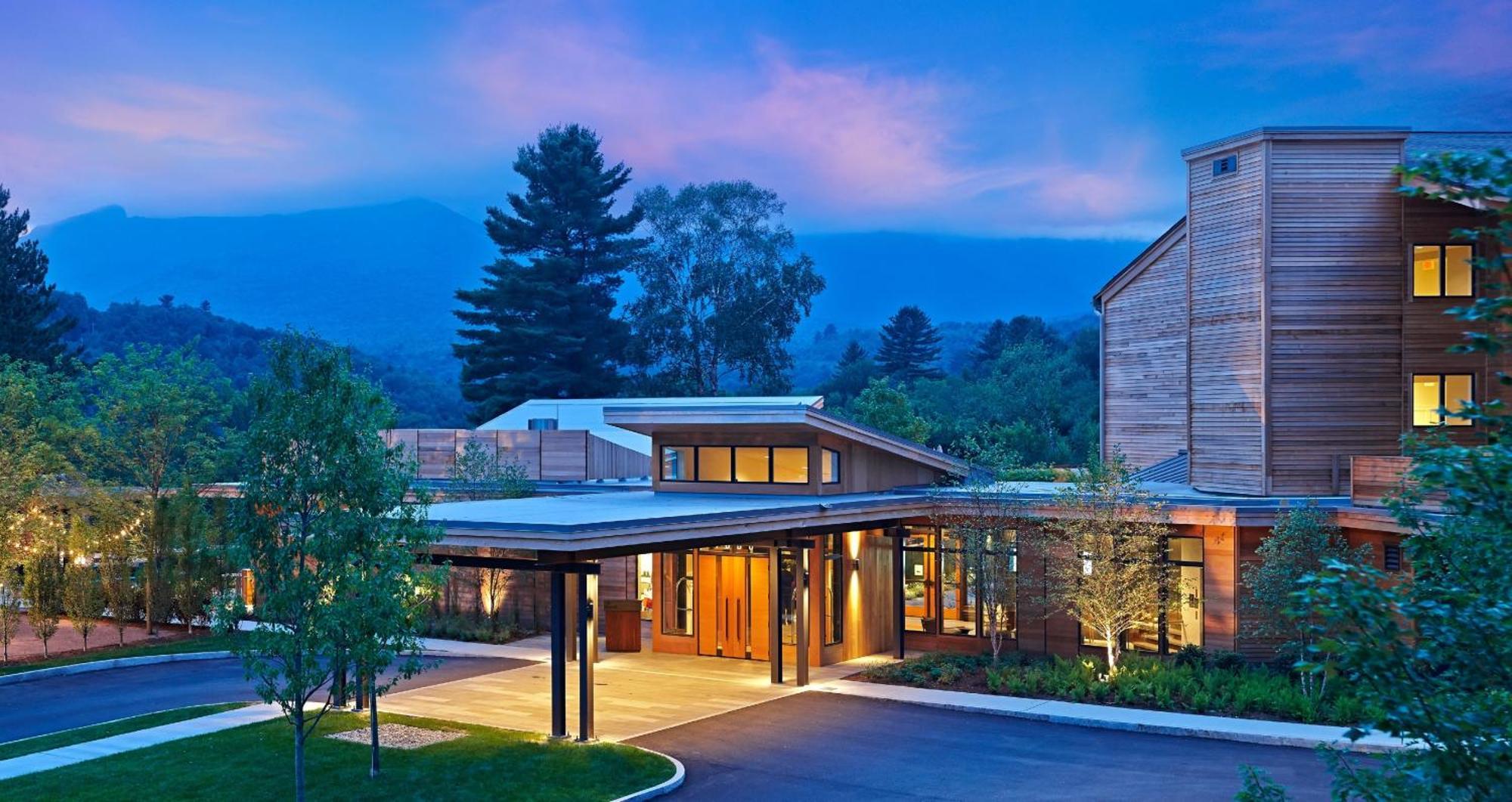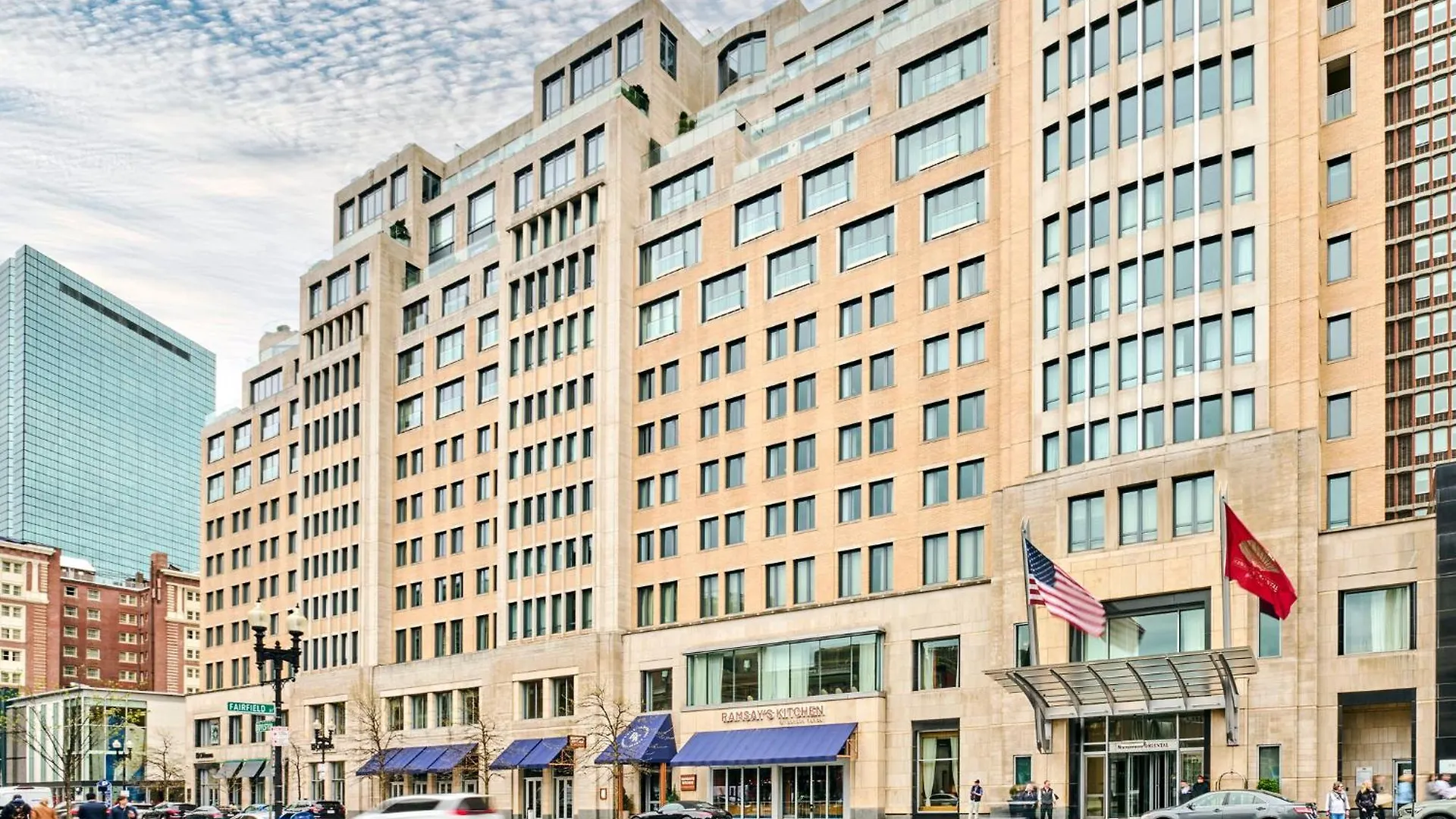
New England's luxury hotel scene spans one of the most geographically diverse regions in the United States - from Boston's Back Bay brownstones and Newport's Gilded Age mansions to the rugged coastline of Maine. These four 5-star hotels represent the strongest options across that spectrum, each anchored in a distinct destination with its own rhythm, crowd profile, and seasonal character.
What It's Like Staying in New England
New England compresses an enormous variety of landscapes, cities, and cultural identities into six states - Massachusetts, Connecticut, Rhode Island, Maine, Vermont, and New Hampshire - making it one of the most rewarding multi-destination regions in North America. Boston anchors the region as its most connected hub, served by Logan International Airport with direct routes from Europe and across the US, while smaller destinations like Newport and Boothbay Harbor require a car or regional transfers. Crowd patterns shift sharply by season: summer draws coastal visitors to Maine and Rhode Island, fall foliage peaks from late September through October and pushes inland accommodation demand up by around 40%, and Boston sees consistent year-round pressure from universities, conferences, and medical tourism.
Pros:
- Exceptional scenic and cultural variety within a compact driving radius - Boston to Newport takes under 90 minutes
- Strong historical and architectural identity that elevates the luxury hotel experience beyond generic amenities
- Four distinct seasons create genuinely different travel experiences depending on when you visit
Cons:
- Coastal and rural destinations are largely inaccessible without a rental car, which adds logistical complexity
- Peak foliage and summer shoulder seasons drive prices high with limited last-minute availability at top properties
- Winters in Maine and inland Connecticut can be severe, limiting outdoor activities and reducing hotel value for leisure travelers
Why Choose 5-Star Hotels in New England
New England's 5-star properties are not interchangeable with luxury hotels in other US regions - they tend to be smaller, more historically grounded, and more deeply integrated into their local neighborhoods than comparable properties in Miami or Las Vegas. Room sizes at New England luxury hotels often reflect the architectural constraints of 19th-century buildings, meaning suites are curated rather than expansive, and the atmosphere skews toward refined intimacy over resort-scale grandeur. Rates at the top Boston properties regularly exceed $500 per night during peak conference and foliage periods, while coastal Maine properties offer a more accessible entry point with equivalent service standards at lower price thresholds.
Pros:
- Historically significant buildings and interiors that add genuine character not found in new-build luxury hotels
- Smaller scale means more personalized service and less anonymous hotel-corridor culture
- Proximity to landmark cultural attractions - from the Breakers in Newport to Acadia National Park - is built into the location strategy of most properties
Cons:
- Room square footage can disappoint travelers accustomed to large-format luxury resorts in warmer US markets
- Dining and spa options are more limited outside Boston compared to major metro luxury hubs
- Parking in Boston is expensive and logistically difficult even when offered on-site, adding hidden costs
Practical Booking & Area Strategy
Boston's Back Bay is the strongest all-round base in New England for 5-star travelers - it puts guests within walking distance of Newbury Street, the Prudential Center, Copley Square, and the Isabella Stewart Gardner Museum, while the MBTA Green Line connects to Downtown and the Fenway in under 10 minutes. Newport, Rhode Island, is a seasonal destination best visited between May and October, with the Cliff Walk, Bellevue Avenue mansions, and the International Tennis Hall of Fame all reachable on foot or by a short cycle from the center. Boothbay Harbor in Maine is a destination unto itself - slower, quieter, and best suited to travelers prioritizing coastal scenery over urban access. For Connecticut's Lebanon area, proximity to Eastern Connecticut State University and the Goodspeed Opera House makes it a niche stop rather than a primary luxury destination, and it pairs best with a broader New England road trip itinerary. Book at least 8 weeks ahead for fall foliage season across all four locations, and for Boston specifically during graduation weekends in May and June.
Best Premium Stays in Boston & Newport
Boston and Newport anchor New England's most established luxury travel corridors, with 5-star properties that draw on deep architectural heritage and some of the region's highest culinary and wellness standards.
-
1. Mandarin Oriental, Boston
Show on map


Just a few rooms left at the best rate!
fromUS$ 568
-
2. The Vanderbilt, Auberge Collection
Show on map


Just a few rooms left at the best rate!
fromUS$ 913
Best Value 5-Star Stays in Coastal Maine & Connecticut
For travelers building a wider New England road trip itinerary, these two properties offer 5-star-rated accommodation at destinations where the pace is slower and the surrounding landscapes do most of the work.
-
3. Topside Inn
Show on map


Hurry – almost gone at this price!
fromUS$ 344
-
4. Grand Lake Hotel
Show on map


Rooms filling fast – secure the best rate!
fromUS$ 95
Smart Travel & Timing Advice for New England
New England's peak travel window runs from late June through October, with fall foliage - typically at its best between late September and mid-October in Vermont and New Hampshire, and slightly later in coastal Massachusetts and Rhode Island - generating the region's highest accommodation demand of the year. Book foliage season stays at least 8 weeks in advance across all properties, particularly for Newport and Boothbay Harbor where inventory is limited. Boston operates at near-capacity during May and June graduation weekends, and again in September when university terms restart - these periods compress availability at Back Bay properties faster than most travelers anticipate. The quietest and most price-accessible window is January through March, when rates can drop significantly and coastal Maine properties often close or reduce services, making urban Boston the most reliable winter luxury option. Three nights is the practical minimum for destinations like Newport and Boothbay Harbor to justify the travel investment, while Boston can reward stays of two nights or more given its walkable density and concentration of cultural attractions.