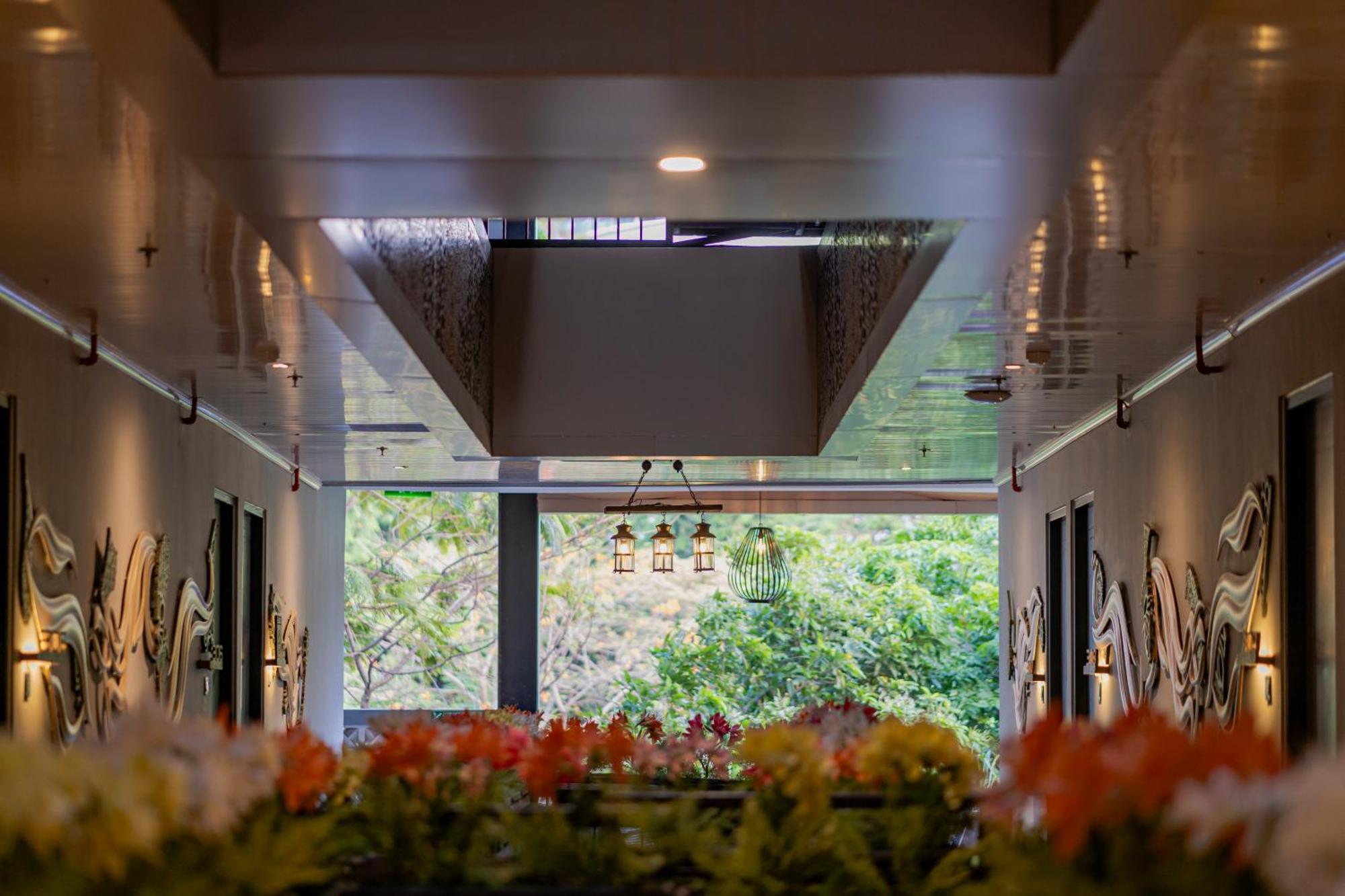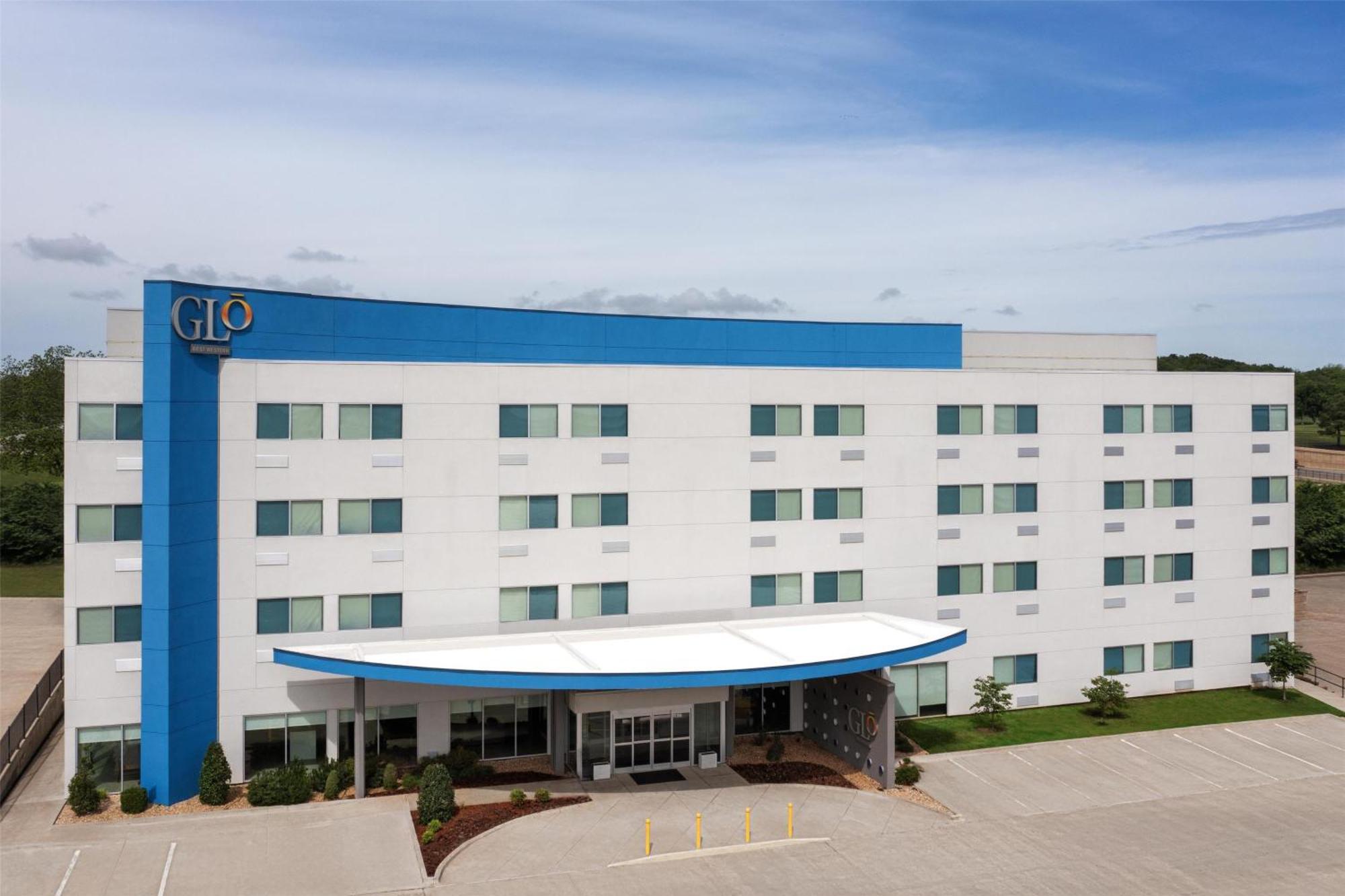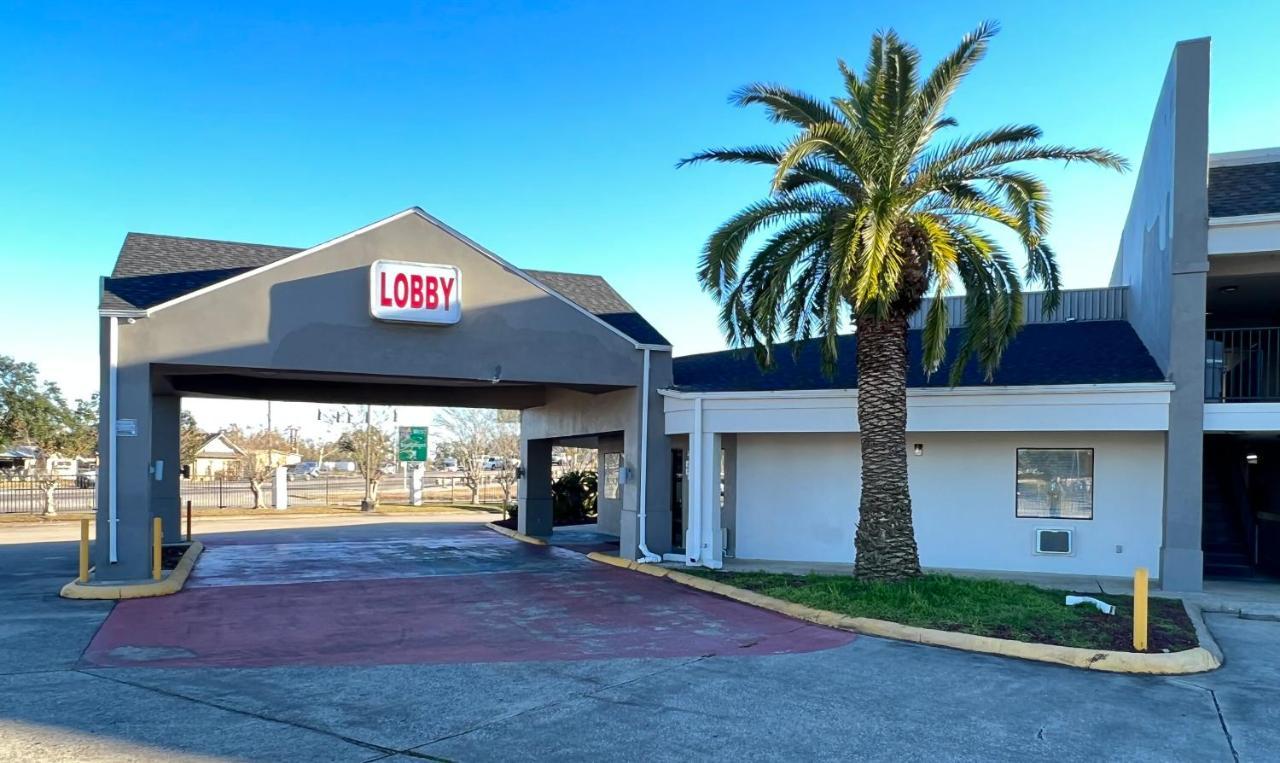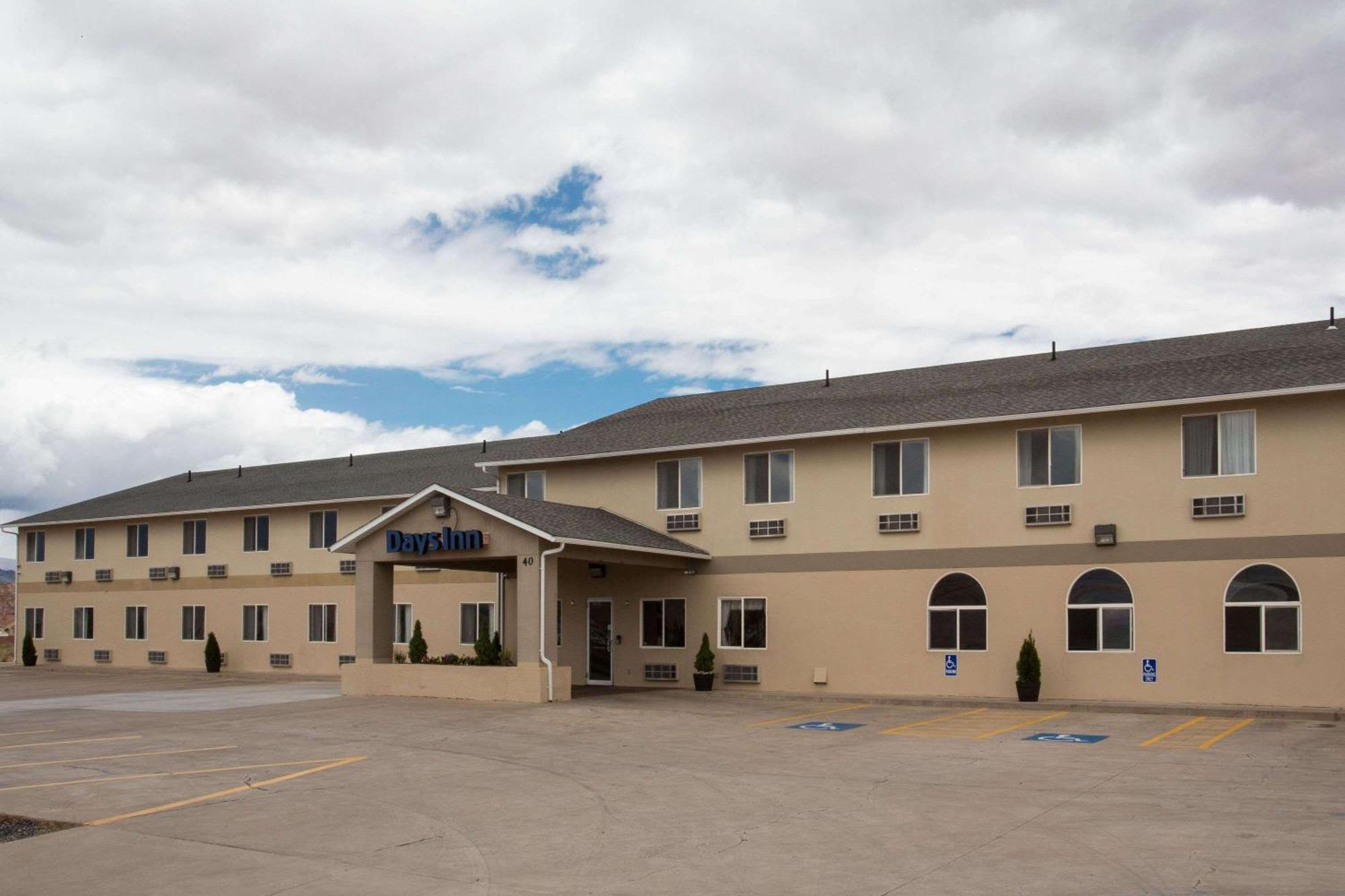
Kampoeng Batik Laweyan is Solo's most historically significant batik district, where colonial-era merchant houses double as working workshops and boutique showrooms. Staying close means you can walk the narrow gang alleys before tour groups arrive - a window into a living craft tradition that defines Solo's cultural identity more than any museum can.
What It's Like Staying Near Kampoeng Batik Laweyan
The Laweyan district sits in the western part of Surakarta, roughly 3 kilometers from the city center along Jalan Dr. Rajiman. It is a low-density residential and commercial neighborhood - quieter than the Gladak-Keraton corridor, with almost no nightlife noise, but also limited late-night dining options within walking distance. Foot traffic peaks between 9 AM and 1 PM, when tour coaches and local buyers move through the batik showrooms; after 3 PM the alleys clear out substantially, giving independent travelers the run of the district. Becak and online ride-hail (Grab/Gojek) coverage is reliable during the day, though late-night pickups can take up to 15 minutes in this part of the city.
Pros:
- Direct access to Laweyan's batik workshops before tourist crowds build up
- Quieter street environment compared to the Jalan Slamet Riyadi hotel corridor
- Grab/Gojek service covers the area well for day trips across Solo
Cons:
- Dining options after 8 PM are scarce within the immediate neighborhood
- No direct public bus link to Adisumarmo Airport from Laweyan
- Hotels in the district itself are limited; most properties require a short ride
Why Choose a Hotel Near Kampoeng Batik Laweyan
Hotels serving the Laweyan catchment area generally sit in the mid-range bracket - three-star and four-star properties that trade boutique amenities for solid infrastructure like free parking, airport transfers, and full-service restaurants. Nightly rates in this segment average around IDR 350,000-500,000 at three-star level, a meaningful step below comparable Jakarta properties. Room sizes are typically generous by Indonesian city-hotel standards, often exceeding 25 m2, which matters if you plan to return from batik shopping with fabric rolls and wrapped packages. The trade-off is that none of these hotels are truly walkable to the heart of Laweyan; a Grab ride of around 10 minutes covers the gap from the nearest clusters on Jalan Slamet Riyadi or the Solo Baru zone.
Pros:
- Mid-range hotels here include facilities (pool, restaurant, parking) rarely found at this price in larger Indonesian cities
- Free parking is standard - relevant if you're renting a car to visit batik villages outside Solo
- Most properties are newer builds with reliable air conditioning and fast Wi-Fi
Cons:
- No hotel is technically within walking distance of Laweyan's core alleys
- Breakfast quality varies significantly between three-star and four-star properties here
- Solo Baru-area hotels add extra transit time to Kraton and Klewer Market visits
Practical Booking & Area Strategy
For the closest access to Kampoeng Batik Laweyan, prioritize hotels along Jalan Slamet Riyadi - Solo's main commercial artery - which places you within a 10-minute ride and gives you walkable access to Sriwedari Park, Museum Batik Danar Hadi, and the Radya Pustaka Museum in the same direction. The Solo Baru sub-district, located south of the main city, adds around 5 minutes of transit time to Laweyan but compensates with newer hotel infrastructure and free parking - useful if you plan day trips to Prambanan Temple (around 48 km east) or the Pesanggrahan Langen Harjo Hot Spring. Book at least 3 weeks ahead for travel during Solo Batik Carnival (typically held in June) and the Sekaten festival period, when room availability drops sharply across all categories. For Laweyan itself, arriving on a weekday morning before 9 AM means you'll catch workshop staff preparing looms and fabric - the most authentic window into the production process, and one that weekend tour schedules consistently miss.
Best Value Stays
These properties deliver reliable infrastructure and consistent guest scores at the lower end of Solo's mid-range bracket - suitable for travelers prioritizing budget and functionality over premium amenities.
-
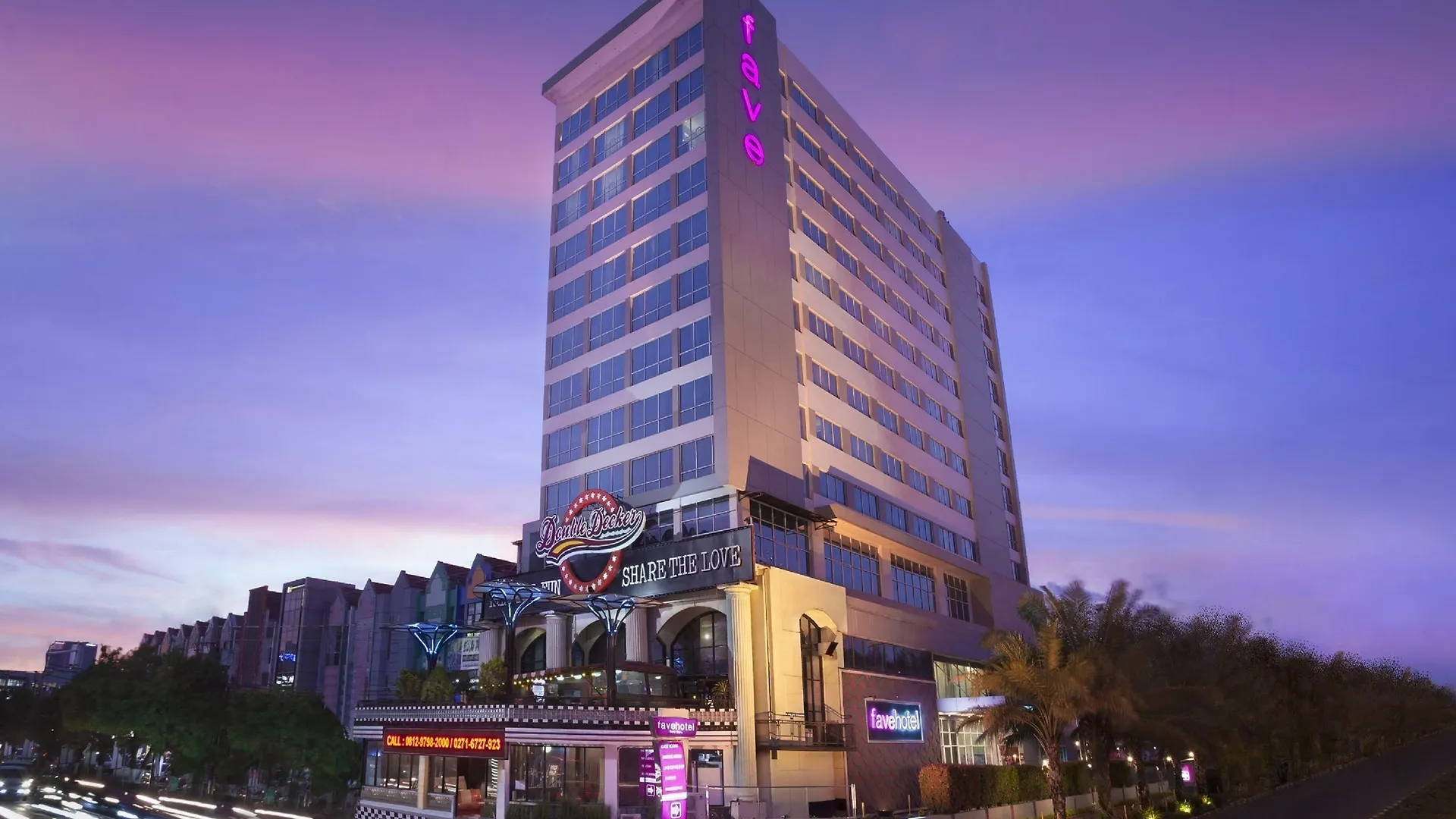
1. Favehotel Solo Baru
Show on map


 Check-infrom 14:00 until 23:59Check-outuntil 12:00
Just a few rooms left at the best rate!
fromIDR 400000
-
2. Hotel Indah Palace Solo
Show on map


 Check-infrom 14:00 until 23:59Check-outuntil 12:00
Just a few rooms left at the best rate!
fromIDR 563636
Best Premium Stays
These properties step up in facilities, dining depth, and room quality - relevant for travelers who want more than a functional base when exploring Solo's cultural circuit including Laweyan.
-
3. De Solo Boutique Hotel
Show on map


 Check-infrom 13:00 until 23:59Check-outfrom 10:00 until 12:00
Hurry – almost gone at this price!
fromIDR 345455
-
4. Novotel Solo
Show on map


 Check-infrom 14:00 until 23:59Check-outuntil 12:00
Rooms filling fast – secure the best rate!
fromIDR 563636
Smart Travel & Timing Advice
Solo operates on a quieter tourism rhythm than Yogyakarta, but Kampoeng Batik Laweyan has two distinct crowd surges: the Solo Batik Carnival in June and the Sekaten festival period (tied to the Islamic calendar, shifting annually). During these windows, hotels on Jalan Slamet Riyadi see occupancy climb sharply and rates increase by around 40% above standard pricing - book early or shift stay dates by a few days to avoid the peak. The dry season from May through September offers the most comfortable conditions for walking the Laweyan alleys; the wet season (November through March) brings afternoon downpours that complicate becak and walking logistics. Three nights in Solo is the practical minimum to cover Laweyan, Keraton Kasunanan, Klewer Market, and a half-day trip to Prambanan without feeling rushed. Last-minute bookings (under one week out) occasionally surface discounted rates at the three-star properties in Solo Baru, but the Slamet Riyadi corridor hotels fill faster due to their central positioning.