Colorado draws millions of visitors each year seeking access to the Rocky Mountains, national parks, ski resorts, and high-altitude towns that shift dramatically in character from summer to winter. Finding a hotel with strong comfort ratings here means more than just a soft bed - it means heated rooms after a day on the slopes, reliable WiFi in remote mountain towns, and facilities that match the physical demands of an active trip. This guide compares 6 highly rated comfort hotels across Colorado's most visited regions to help you book with confidence.
What It's Like Staying In Colorado
Colorado is one of the most geographically diverse states in the US, spanning Front Range urban corridors like Denver and Arvada, ski towns such as Steamboat Springs, and remote mountain communities like Pagosa Springs and Estes Park. Over 300 days of sunshine per year makes it unusually accessible across seasons, but altitude - most mountain stays sit above 7,000 feet - is a real physical consideration that affects sleep, hydration, and energy. Transport between regions relies almost entirely on personal or rental vehicles, as public transit between mountain towns is minimal.
Crowd patterns shift sharply: ski season from December to March packs resort towns, while summer brings national park visitors who clog Route 34 near Rocky Mountain National Park from June through August. Urban base travelers centered around Denver or Arvada get smoother logistics and airport proximity, while those staying in mountain towns trade convenience for scenery and direct trail access.
Pros:
- Direct access to skiing, hiking, and national parks without long daily drives
- Wide range of accommodation types from B&Bs to ski-in/ski-out resorts across different budgets
- Year-round destination with distinct seasonal appeal for different traveler types
Cons:
- Altitude above 8,000 feet can cause headaches and fatigue for first-time visitors during the first 24-48 hours
- Mountain roads can become hazardous in winter without AWD or snow chains
- Remote mountain towns have limited dining and shopping options, especially outside peak season
Why Choose High-Comfort Hotels In Colorado
In Colorado, comfort ratings carry particular weight because stays are often physically demanding - long ski days, high-altitude hikes, and cold-weather conditions mean guests return to their rooms needing genuine recovery amenities rather than just a place to sleep. Hotels with strong comfort scores in Colorado consistently feature hot tubs, fireplaces, and quality bedding as standard rather than upgrades, especially in mountain towns where these features are expected by experienced mountain travelers. Compared to standard 3-star options, highly rated comfort properties typically run around 25% higher in nightly rate but deliver measurably better recovery conditions.
Room size is notably generous at mountain inns and resort properties, with suites and full kitchen setups common even at mid-range price points. Kitchenette and full kitchen availability is a major differentiator here - it reduces meal costs significantly on multi-night stays, which most Colorado mountain trips require. Trade-offs include reduced walkability, as most high-comfort properties sit outside walkable town centers to offer space and quiet.
Pros:
- Kitchen facilities in rooms reduce dining costs on longer mountain stays
- Spa amenities, hot tubs, and fireplaces are commonly included, not add-ons
- High-comfort properties typically offer more parking, outdoor space, and quieter surroundings than urban budget options
Cons:
- Higher nightly rates during ski season and summer peak can stretch budgets on longer trips
- Many top-comfort properties require a car - they are not walkable to dining or town centers
- Booking windows for ski-adjacent comfort hotels are often around 3 months in advance during peak periods
Practical Booking & Area Strategy
For travelers focused on national park access, Estes Park is the single most strategic base for Rocky Mountain National Park - properties here fill up weeks ahead in July and August, and booking at least 8 weeks in advance is necessary for summer comfort hotel stays. Steamboat Springs is the best-positioned town for ski-in/ski-out convenience on the Western Slope, with Yampa Valley Regional Airport under 40 minutes away. Pagosa Springs suits travelers combining Wolf Creek Ski Resort with hot springs culture, while sitting at a generally lower price point than Steamboat or Vail-adjacent areas.
Highlands Ranch and Arvada serve as practical Denver-area bases - both offer easy highway access to downtown Denver's Ball Arena and Colorado Convention Center within 25 km, plus Denver International Airport reachability for early departures. Durango anchors the southwest corner, with the Narrow Gauge Railroad and proximity to Mesa Verde National Park making it a natural multi-night hub. Avoiding I-70 mountain corridor on weekend afternoons in winter is critical - westbound traffic can add hours to any drive from Denver toward Summit County or beyond.
Best Value Comfort Stays
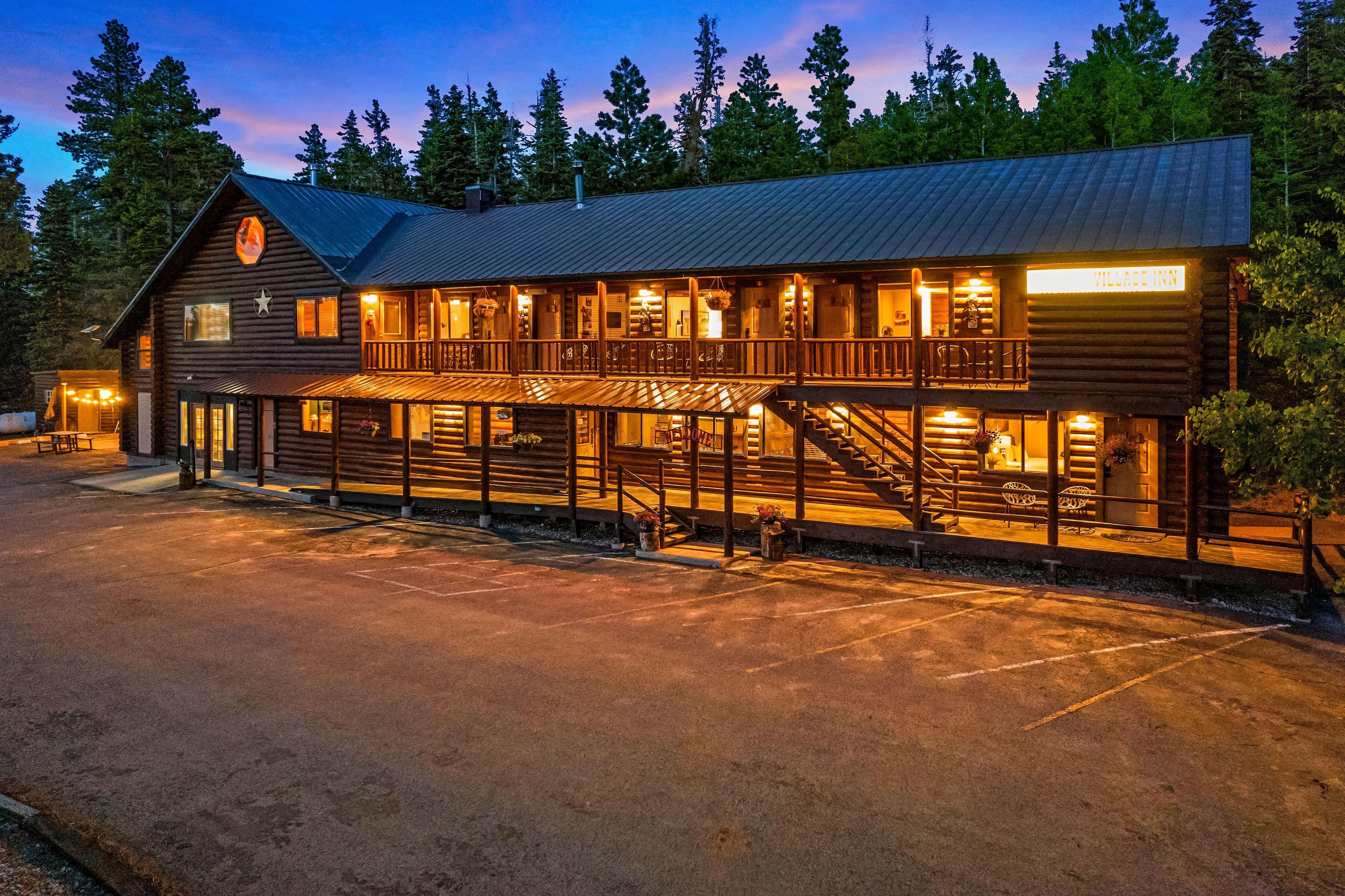
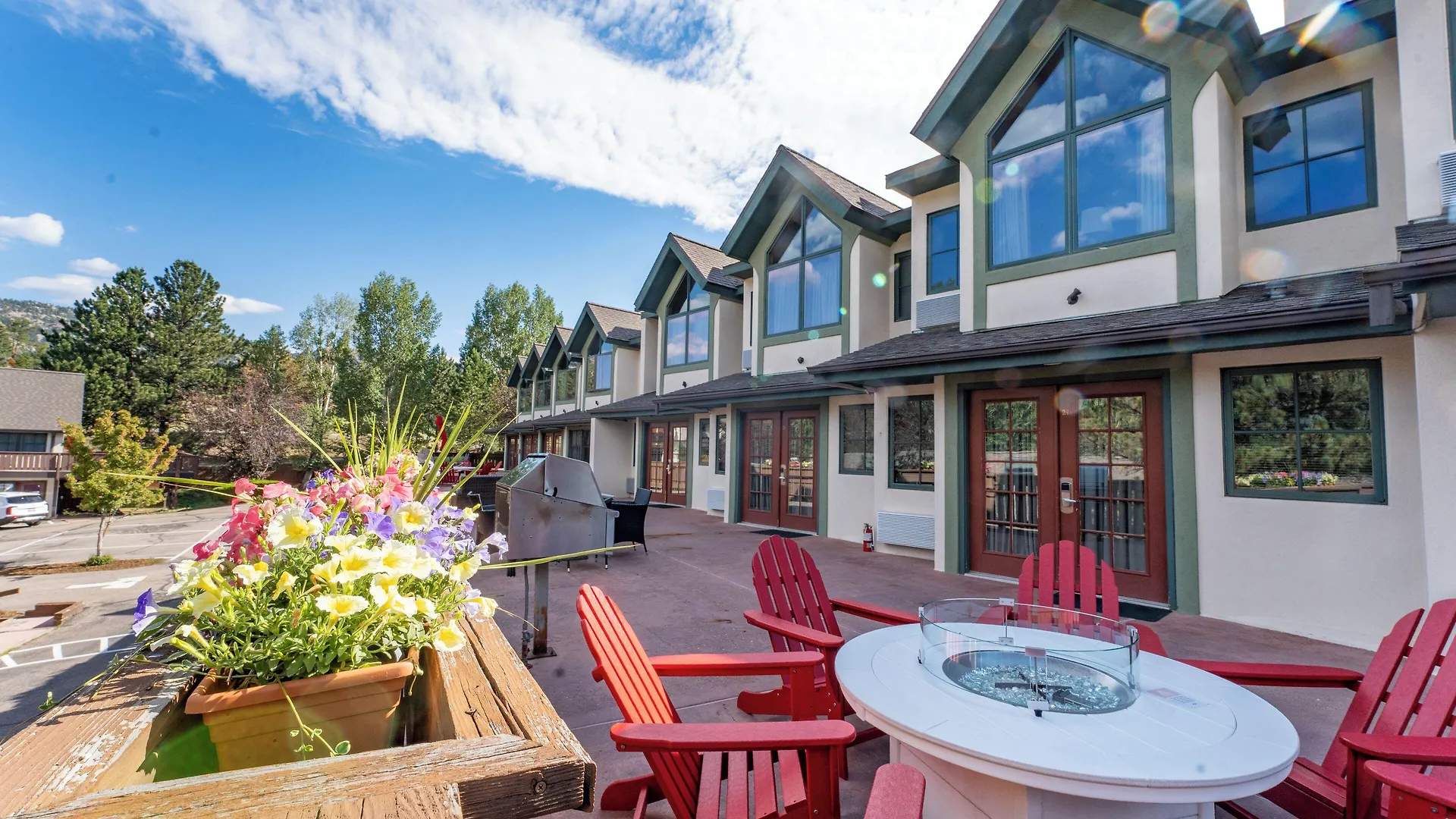
These properties deliver strong comfort ratings at accessible price points, with practical amenities suited to active Colorado itineraries across Estes Park, Pagosa Springs, Arvada, Highlands Ranch, and Durango.
-
1. Appenzell Inn
Show on map


Just a few rooms left at the best rate!
fromUS$ 176
-
2. Pagosa River Domes
Show on map


Just a few rooms left at the best rate!
fromUS$ 185
-
3. Residence Inn By Marriott Arvada Denver West
Show on map


Hurry – almost gone at this price!
fromUS$ 169
-
4. Residence Inn Denver Highlands Ranch
Show on map


Hurry – almost gone at this price!
fromUS$ 104
-
5. Antlers On The Creek Bed & Breakfast
Show on map


Rooms filling fast – secure the best rate!
fromUS$ 549
Best Premium Comfort Stay
For travelers prioritizing a full-service luxury experience in Colorado's ski country, this ski-in/ski-out resort in Steamboat Springs stands apart from every other option in this guide on amenities, space, and resort infrastructure.
-
6. The Porches
Show on map


Rooms filling fast – secure the best rate!
fromUS$ 855
Smart Travel & Timing Advice for Colorado
Colorado's travel calendar divides into two dominant peaks that directly affect comfort hotel availability and pricing. Ski season from late November through mid-March drives the highest demand in resort towns like Steamboat Springs, where properties such as The Porches can sell out months in advance and nightly rates climb around 40% above shoulder season levels. Summer from late June through August is peak season for Rocky Mountain National Park and Estes Park properties, with timed entry permits required for the park itself - booking your Estes Park hotel at least 8 weeks ahead during this window is not optional if you want comfort-rated options.
The best-value timing windows are May through early June and September through October, when trails are accessible, ski areas have closed, and crowd levels drop significantly at most mountain towns. A minimum of 3 nights is recommended for any mountain destination in Colorado - shorter stays don't allow for altitude adjustment and leave insufficient time for the region's key activities. For Denver-area hotels like the Arvada or Highlands Ranch Residence Inn properties, last-minute booking is more viable year-round, as demand is driven by conferences and events rather than seasonal outdoor tourism, making mid-week stays especially affordable outside convention periods.