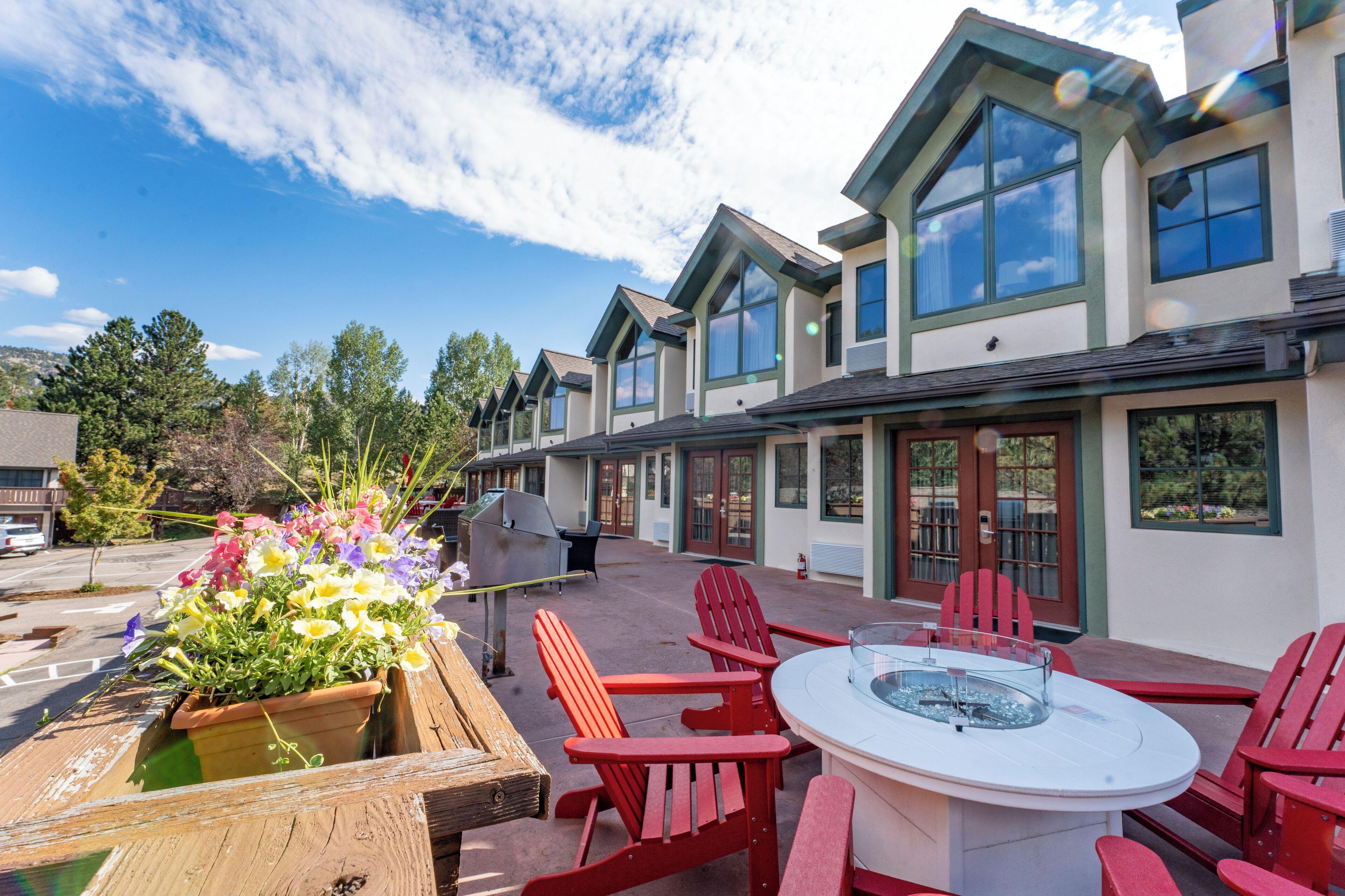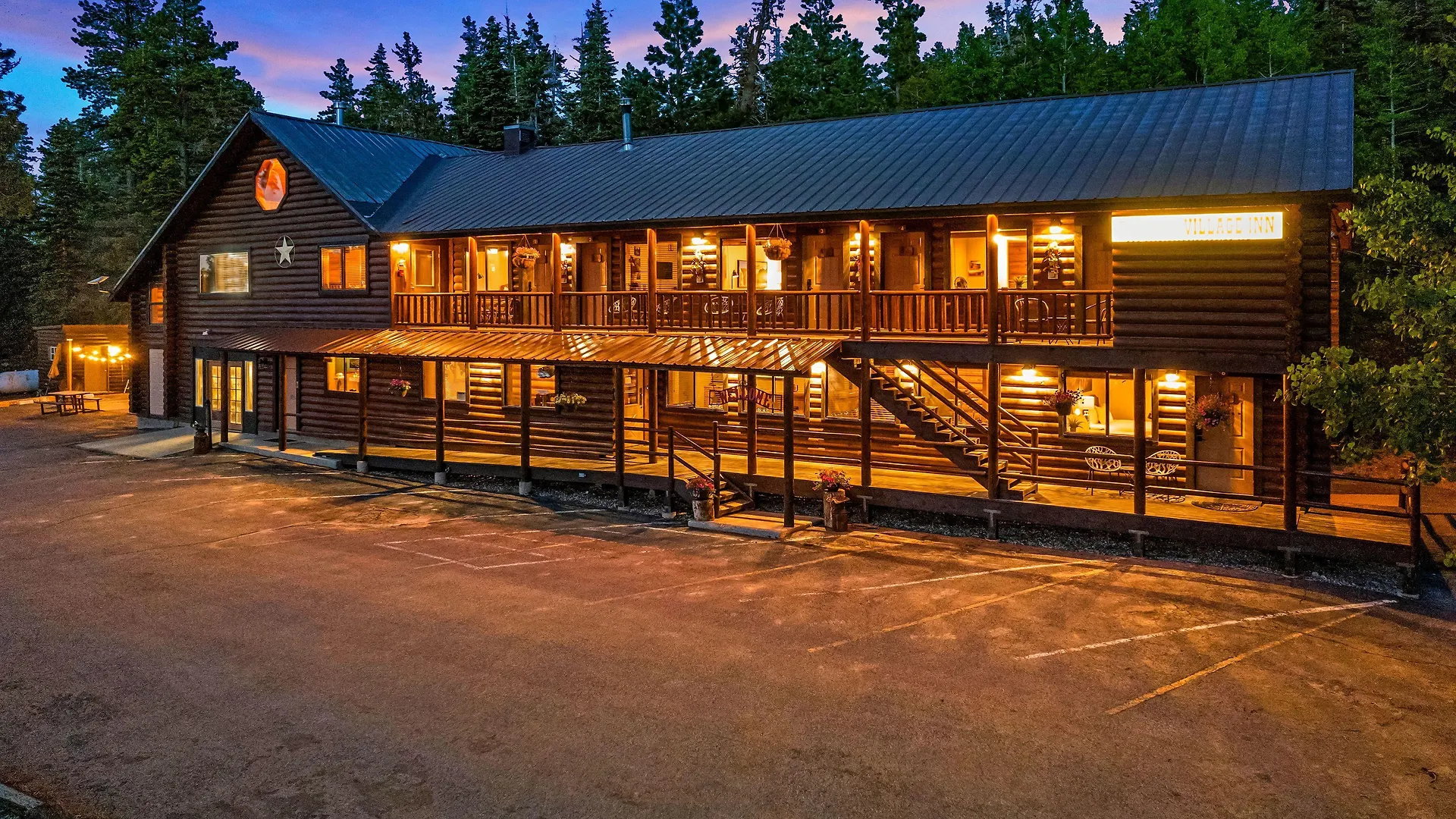
Utah draws travelers with five national parks, dramatic canyon country, world-class ski resorts, and one of the most geologically diverse landscapes in North America. Whether you're road-tripping between Bryce Canyon and Zion, skiing Park City's slopes, or exploring Bears Ears, where you sleep matters as much as where you go. This guide covers seven highly comfort-rated hotels across Utah - from remote forest inns to lakefront holiday homes - with honest, decision-focused insights to help you book with confidence.
What It's Like Staying in Utah
Utah is not a single-destination state - it's a 220,000-square-mile circuit of dramatically different environments, from the red-rock canyons of the south to the Wasatch ski corridors in the north. Most visitors underestimate the driving distances: getting from Salt Lake City to Zion National Park takes around 4.5 hours, which means your hotel's location is a strategic decision, not just a preference. Choosing the wrong base can cost you hours daily, so matching your accommodation to your itinerary is critical.
The state draws a mix of outdoor adventurers, ski travelers, and national park road-trippers, with crowd patterns peaking sharply from April through October in the south and December through March in mountain resort areas. Spring and fall shoulder seasons offer the best balance of accessibility and manageable visitor numbers, particularly around Bryce Canyon and Arches.
Pros:
- Unrivaled access to five national parks within one state, enabling multi-park itineraries without crossing borders
- A wide geographic spread of accommodation options - from forest cabins near Cedar Breaks to lakefront properties on Bear Lake
- Year-round activity calendar: skiing in winter, hiking and cycling in warmer months, with almost no off-season dead zones
Cons:
- Long driving distances between key destinations mean guests who book centrally may still face 2-3 hour daily drives to major sights
- Popular gateway towns like Springdale (Zion) and Torrey (Capitol Reef) sell out months ahead during peak season
- Altitude and remote location of some properties (like Duck Creek Village) limits dining and shopping access to a handful of local options
Why Choose Comfort-Rated Hotels in Utah
Comfort-rated hotels in Utah stand out because the state's outdoor-heavy itineraries demand more than a clean bed - guests typically return exhausted from long hikes, ski days, or canyon drives and need accommodations that genuinely recover their energy. Properties with strong comfort scores in Utah consistently deliver practical features: full kitchens for self-catering (essential in remote areas with limited restaurants), mountain or lake views that enhance the trip context, and reliable Wi-Fi for navigation planning. These properties average better guest scores than standard 2-star chains in the same price bracket, making them smarter value for activity-heavy stays.
Compared to generic motel chains along I-15, comfort-rated lodges and cabins in Utah often offer around 40% more usable living space, particularly relevant for families or multi-night stays. The trade-off is availability: unique properties with high comfort scores book out fast, especially those near Bryce Canyon, Zion, or Bear Lake during summer weekends.
Pros:
- Full kitchen access in most comfort-rated holiday homes reduces food costs significantly in areas where restaurant options are scarce or expensive
- Mountain and lake views are standard features rather than upgrades, adding real experiential value per dollar spent
- Properties with disability-access facilities are well represented in this segment, making Utah's outdoor experiences more inclusive
Cons:
- High-comfort cabins and lodges near national parks often require early booking - 8 to 12 weeks ahead during spring and summer
- Some remote properties have no on-site restaurant, requiring guests to stock groceries before arrival or drive into the nearest town
- Beachfront or forest-edge locations can attract wildlife and insects; guests expecting urban-style insulation should set expectations accordingly
Practical Booking & Area Strategy for Utah Hotels
Utah's geography divides naturally into three strategic lodging zones: southern Utah (Duck Creek Village, Bluff, and the national park corridor), central Utah (Salina, which sits along I-70 and serves as a practical midpoint stop), and northern Utah (Layton, Park City, and the Bear Lake area near Garden City). Travelers doing a south-to-north road trip should consider splitting nights - booking one property near Bryce Canyon or Zion and another in the Salt Lake City metro corridor saves around 3 hours of backtracking driving.
Park City is the state's premier ski destination, with Canyons Resort within 5 km of the town center and Utah Olympic Park just 8 km away - making it the most logistically efficient base for winter sport travelers. For national park access in the south, Duck Creek Village positions you within an hour's drive of both Bryce Canyon and Zion, which is difficult to replicate from any larger town. Garden City on Bear Lake is a niche but highly rewarding choice for summer water-activity travelers, with lake access and mountain views combined in one location. Bluff is the furthest south, ideal as a base for Bears Ears National Monument and Monument Valley day trips.
Best Value Stays in Utah
These properties deliver strong comfort scores at accessible price points, with practical amenities suited for travelers prioritizing location access and functionality over resort-style features.
-
1. Duck Creek Village Inn
Show on map


Just a few rooms left at the best rate!
fromUS$ 233
-
2. High Desert Inn
Show on map


Just a few rooms left at the best rate!
fromUS$ 95
-
3. Willow Street Cottages
Show on map


Just a few rooms left at the best rate!
fromUS$ 175
-
4. Park City Hostel
Show on map


Hurry – almost gone at this price!
fromUS$ 76
Best Premium Stays in Utah
These properties offer expanded living space, distinctive settings, or beachfront and river-view positioning that elevates the stay beyond standard accommodation - suited for travelers who want their lodging to be part of the Utah experience.
-
5. The Lodge At Duck Creek
Show on map


Hurry – almost gone at this price!
fromUS$ 364
-
2. Blue Water
Show on map


Rooms filling fast – secure the best rate!
fromUS$ 170
-
3. Candlewood Suites - Layton - Salt Lake City By Ihg
Show on map


Rooms filling fast – secure the best rate!
fromUS$ 134
Smart Travel & Timing Advice for Utah Hotels
Utah's travel calendar splits sharply by geography and activity type. In southern Utah - around Zion, Bryce Canyon, and the Duck Creek corridor - the busiest period runs from late March through early November, with July and August bringing the highest temperatures and the heaviest visitor volumes. Booking 8 weeks ahead is the minimum for summer stays near Zion or Bryce, where inventory at quality comfort-rated properties disappears quickly and last-minute options are limited to roadside motels along US-89.
Park City's ski season peaks from December through March, with President's Day weekend and the Sundance Film Festival in January driving the sharpest rate spikes of the year. Bear Lake's summer season is compressed: July and early August bring the highest demand for beachfront properties like Blue Water, with availability thinning out by mid-June. For central Utah stopovers in Salina, no specific booking urgency applies - these properties serve transit travelers and typically maintain availability. A three-night minimum stay makes the most of any southern Utah base, given the driving time required to reach major park entrances and the cost of nightly relocation across long distances.